Climate change stories
Jo Olivia Lee appointed as chief operating officer. She will oversee app development and operations for Singapore and Lendor Thailand.
Businesses are facing an increased risk from extreme weather events, making rugged devices vital in the case of a disaster.
Artificial intelligence is being used to improve energy consumption at data centers, with hopes of lowering costs and meeting climate change goals.
Equinix has released its 2021 Sustainability Report which outlines progress, innovation and accomplishments on key ESG commitments.
A 40-year plan for the Snowy Mountains town could ease housing pressure and help Jindabyne shift from a ski-season economy.
A High Court ruling has deepened fears Auckland Council’s climate plan may be sidelined as transport decisions cut emissions far too slowly.
Wellington’s climate strategy has put it among 280 cities worldwide shortlisted by WWF, with results due later in July.
Farmers face a levy on methane and nitrous oxide as the government weighs whether agriculture should shoulder more of New Zealand’s climate burden.
Open contracting could cut delays and waste, as public infrastructure data remains too sparse to curb USD $18 trillion in forecast shortfalls.
Businesses using landfill sites face higher disposal bills from 1 July as New Zealand widens its waste levy and reporting rules.
Thousands of new townhouses could be built without design oversight as rapid housing intensification looms across New Zealand's major cities.
Battery makers face a supply squeeze as Stora Enso develops tree-based anodes that could cut reliance on graphite and lithium imports.
The new Auckland facility could cut New Zealand construction emissions by about 78,000 tonnes of CO2 a year, Holcim says.
Contaminated waste has long made the plastic hard to handle, but new chemical recycling plants are turning post-use polystyrene back into feedstock.
Public access to near real-time snow data should help alpine operators, rescuers and tourists plan for New Zealand winters.
Infrastructure firms face growing pressure to prove climate and social value as stimulus spending, disclosures and stakeholder scrutiny intensify.
Residents of Toyota's Woven City could test swappable cartridges that bring hydrogen power to homes and remote areas without pipes.
Redwood could help New Zealand meet its 2050 net-zero target by storing more carbon than radiata pine on suitable sites.
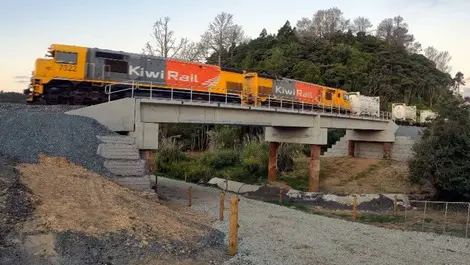
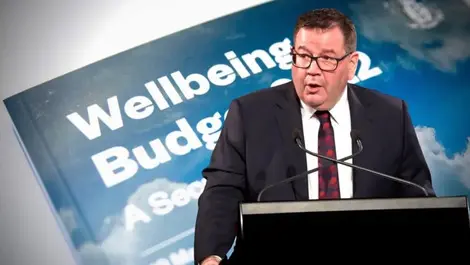
Budget 2022 will fund ageing locomotives and tracks, but critics say it largely brings New Zealand rail up to where it should already be.
More funding in Budget 2022 will not close New Zealand’s $210 billion infrastructure gap, with workers and costs still straining delivery.


.webp)