Climate change stories
Tecala has achieved the Climate Active Carbon Neutral Standard for Organisations and is now certified as carbon neutral for its Australian business operations.
The new solution offers LiDAR (Light Detection and Ranging) based insights into critical infrastructure 30 times faster than manual processing.
Red Hat has announced its ambition to achieve net-zero operational greenhouse gas emissions by 2030 to address the global climate crisis.
Epson was recognised for reducing greenhouse gases by transitioning to renewable electricity and comprehensiveness of its information disclosure.
ESG investment has surged from $5bn in 2018 to nearly $70bn in 2021, making AI data analytics an increasingly valuable tool in assessing ESG performance.
Micro Focus will provide software and services to Jaguar TCS Racing and help it secure a better season in the ABB FIA Formula E World Championship.
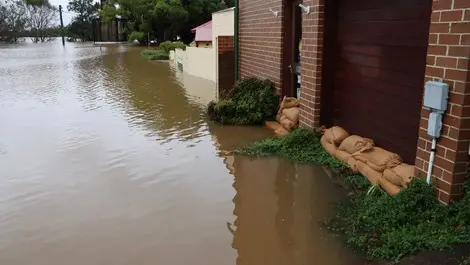
Flood-hit homes must be dried and cleaned quickly, as damp carpet, insulation and leaks can fuel mould and health risks within days.
Singapore-based Meinhardt Group appoints Eugene Seah as Global Board member and COO of its Singapore operations, enhancing its innovative reputation.
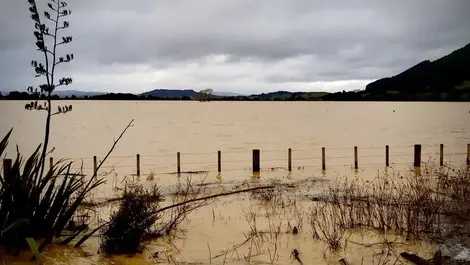
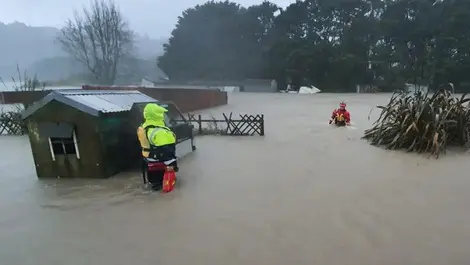
Back-to-back storms are exposing weaknesses in Auckland’s ageing drainage system and testing community recovery after record flooding.
Homeowners risk mould and structural damage if flood repairs begin before hidden moisture is fully removed, new BRANZ guidance warns.
New Zealand growers could face higher food costs and poorer water security if reform leaves storage projects harder to finance, IrrigationNZ says.
Critics say the extension shifts more than NZD $1.3 billion a year from roads to petrol discounts, favouring higher earners over low-income households.
Climate scientists say Auckland’s floods were intensified by atmospheric rivers, while economists warn neglected infrastructure is leaving homes exposed.
Volatile interest rates could push owners and investors back into the commercial property market, with prime sales tipped to lift from Q2.
The operators of medium sized data centres could save Europe eleven terawatt hours of electrical power every year, the same as a medium-sized city.
Higher borrowing costs and recession fears are expected to keep New Zealand house values under pressure through 2023, QV says.
Disconnected suburban layouts can raise costs, limit transport and walking, and make everyday errands and school trips harder for families.
Policy change, fuel resilience and green power projects are set to dominate infrastructure again as reform timelines tighten in 2023.
Public health risks from contaminated drinking water remain at the heart of the reforms, as debate over local control overshadows safety.
Successful bidders will share GBP £4.2 million to tackle roadworks safety, urban freight and mixed-mode transport problems.