Climate change stories
In 2021 the company launched its AI at Scale strategy and global AI Hub focused on data and analytics, led by Chief AI Officer Philippe Rambach.
Decades of research have led to rapid progress in AI. Google has announced three new ways people are poised to benefit.
Today on 10 Minute IT Jams we are joined by Gerald Faust who is the managing director and CEO, Asia Pacific and the Middle East, SNP.
Environmental sustainability is primed to be a historic business opportunity with massive investments earmarked to fight climate change.
The deal with leading vehicle financing platform Splend will see the first 500 of their new electric vehicle fleet arrive on New South Wales roads.
EXA has launched the next-generation product carbon footprint solution to deliver a data-driven approach to decarbonising global supply chains.
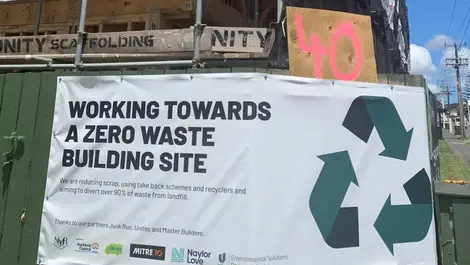
An Auckland build has diverted 91% of debris from landfill, showing builders can cut waste sharply with sorting and recycling.
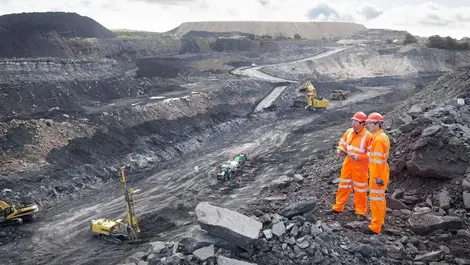
Industry leaders say the rushed law change could deter investment in minerals needed for batteries, wind farms and other low-emissions infrastructure.
A new loss-and-damage fund may help poorer countries cope with climate disasters, but critics say COP27 delivered little on emissions cuts.
Water restrictions in Auckland may ease as a third reservoir moves ahead, with the $60 million project set to boost supply resilience.
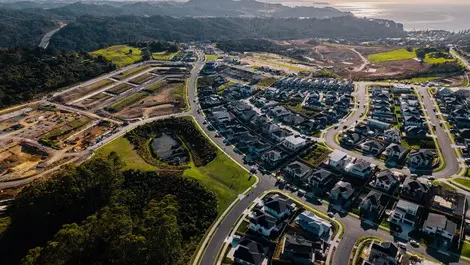
Critics say the overhaul could add bureaucracy and legal uncertainty, raising doubts it will ease New Zealand’s housing crisis.
Businesses retrofitting flammable hydrocarbon refrigerants into existing cooling systems face a heightened fire and explosion risk, WorkSafe says.
Digital tools could deliver 42 per cent of New Zealand’s 2030 emissions cuts, yet they were omitted from the government plan.
Councils could get a simpler path to fund water upgrades after the mayors’ plan was backed as a more practical alternative to Three Waters.
Rising rebuild costs are leaving many Kiwi homeowners exposed, with 30% unsure their cover would fully replace a total-loss house.
Passengers could miss out unless new inter-regional rail is funded sustainably, as Infrastructure New Zealand urges a focus on maintenance and existing metro upgrades.
Communities could face stronger local democracy and more equitable funding as a draft review seeks submissions on council reforms.
Passengers across New Zealand will eventually tap cards and mobile wallets on buses, trains and ferries, but the rollout is not due until 2026.
Farm sales have fallen sharply as higher costs, volatile weather and policy pressure weigh on rural confidence across New Zealand.
A parliamentary report says spending over GBP £2 billion a year on the environment is poorly linked to outcomes and lacks transparency.