Climate change stories
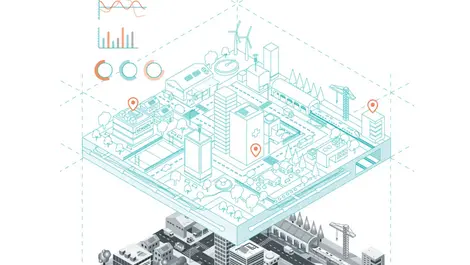
The building and construction sector is one of the largest in the world economy, as well as one of the most energy-intensive polluting industries on the planet.
MetricStream has announced a new product to simplify the ability to navigate the rapidly growing importance of governance, risk, and compliance (GRC).
Faraz Ali joins us today to discuss edge infrastructure and its application in industry, and Vertiv's role in gaming and sustainability in the data centre. .
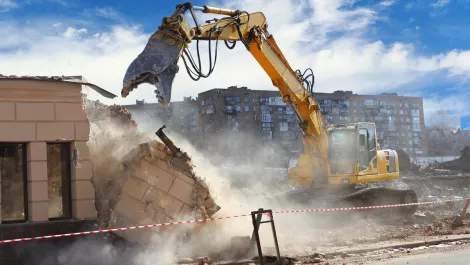
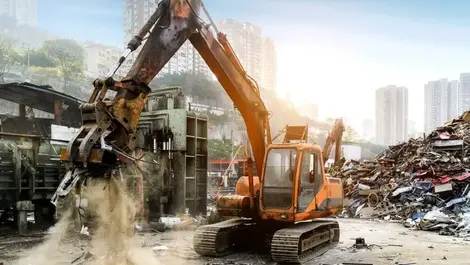
Construction waste is harder to recycle than most rubbish because asbestos and other pollutants must be stripped out first.
Housing and building rules need sharper targets and tougher enforcement if New Zealand is to cut emissions, experts say.
Researchers say the city lacks health-focused planning, with low walkability and only 56 percent of residents near regular public transport.
KiwiRail’s financial turnaround will now be led by a familiar hand as Peter Reidy returns after nearly four years at Fletcher Construction.
Non-profit organisation The AI Forum is helping Kiwis learn about addressing climate change issues through the use of AI technology.
Greater use of mass timber in New Zealand buildings is set to get a boost, after the Timber Design Centre named Dr Robert Finch as director.
New Zealand has a reputation for efficiency and innovation, and has strong potential to be a leader in climate tech.
Sulphur-based cells could cut EV battery costs sharply, with Theion claiming triple the range and far less energy use in production.
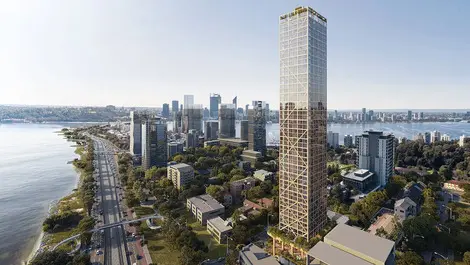
A $350-million proposal could bring 245 apartments to South Perth if planners back the 50-storey hybrid project.
Local and central government backing will decide whether New Zealand's 30-year infrastructure strategy turns recommendations into real projects.
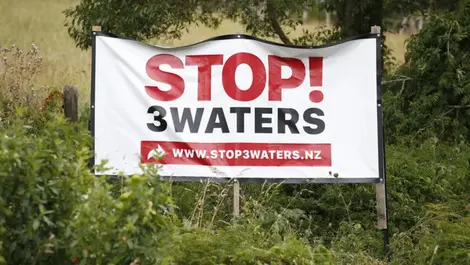
Councils and opponents remain split as the Government's water overhaul promises public ownership but keeps co-governance in place.
A Canterbury student’s low-cost wall panel could help cut the building sector’s emissions, with seaweed replacing traditional gypsum in plasterboard.
Experts say the consultation paper could raise costs for businesses and consumers unless it better addresses trade-offs, investment and global freight risks.
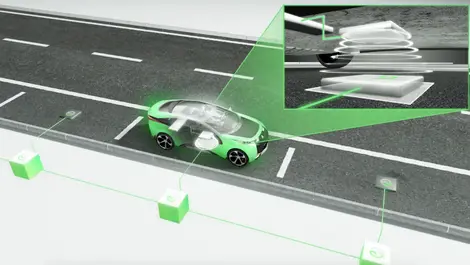
Public road trials and taxi ranks could make electric vehicle charging faster, cheaper and less disruptive for drivers.
Rising flood risk from climate change could erode home prices and threaten banking stability in New Zealand's coastal cities.
Metered Auckland households use far less water than unmetered districts, where per-person consumption can reach 800 litres a day, the report says.
Europe’s energy security has been exposed by Russia’s invasion, strengthening calls for a rapid shift to renewables and digital twins.