Urban Planning stories

Lockdowns have boosted support for digital tools, wastewater monitoring and investment as utilities grapple with falling revenues and rising demand.
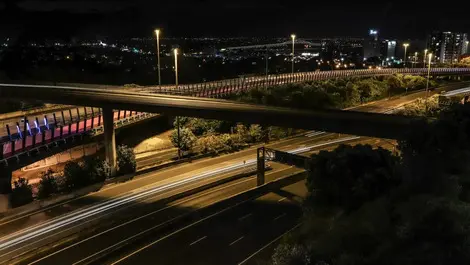
Tender documents have been issued for two Auckland transport schemes, bringing planned roadworks a step nearer and easing congestion for growing suburbs.
Sweeping planning and infrastructure reforms could speed housing and business land supply, although transport pricing still awaits progress.
Business leaders say the overhaul could speed up planning, cut costs and improve housing and infrastructure delivery, but local councils face uncertainty.
Transport industry groups say decades of stop-start planning could end if National’s $31 billion road and rail programme goes ahead.
The site could draw USD $2 billion to USD $4 billion in logistics investment and ease freight congestion around Palmerston North.
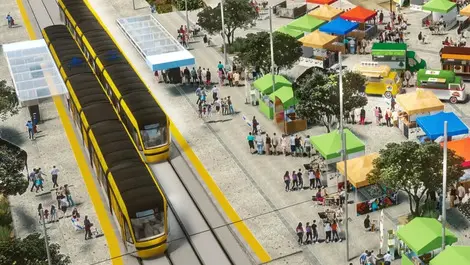
Auckland still faces unresolved transport and housing pressures after Cabinet ended the twin-track light rail process and sent it back to officials.
Global cooperation and heavy state intervention would favour low-carbon infrastructure, while fossil-fuel projects and greenfield builds are marginalised.
Hospitals need GBP £14 billion over the next decade to fix ageing assets and close major infrastructure gaps, the report says.
Regional blocs and national champions could leave infrastructure slower to innovate, more monopolistic and less resilient as climate risks mount.
Homeowners could save NZD $18 million a year as councils drop consents for sheds, carports and other low-risk work from August.
A slump in private development could let ministers add 9,400 state houses, easing a record waiting list and propping up builders.
Construction jobs and council investment could restart quickly, as Auckland submits 73 infrastructure projects for the Government’s stimulus list.
Remote work, home schooling and digital healthcare could outlast the pandemic, reshaping cities, travel and emissions for years to come.
Lockdown has forced Invercargill Central to push back its planned opening, complicating talks with Farmers and bank financing for the project.
COVID-19-driven revenue losses could force councils to cut infrastructure spending, hurting local economies and slowing recovery.
Auckland's housing crisis could deepen if the Drury project fails to deliver affordable homes despite NZD $2.4 billion in transport spending.
Youth, immigrants and urban Maori are most at risk as planners warn New Zealand must better reflect its diverse communities.
Approval of the Orbit plan could see Innisfil grow from 37,000 people to 150,000 while limiting sprawl and preserving farmland.
Contractors still need project-by-project details, with major transport work due to wind down within 18 months and risking industry capacity gaps.