Infrastructure maintenance stories
Organizations adopt data center infrastructure management (DCIM) practices to improve efficiencies and save energy and management overheads.
Ratepayers could face more pressure unless ministers ease red tape, funding rules and reporting burdens on councils this year.
A new cyberespionage campaign, named 'Operation Digital Eye', has emerged, targeting IT service providers in Southern Europe to infiltrate digital supply chains.
Greater certainty over projects and funding could reverse years of under-investment, as a new 30-year plan and agency seek private capital.
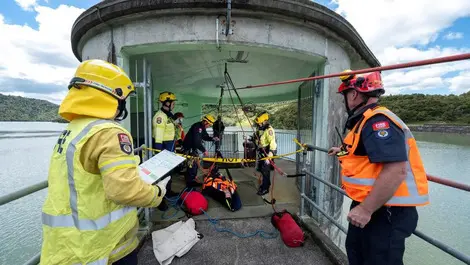
The drill exposed gaps in Watercare’s rescue plans and could improve real-world response times at remote sites.
Road crews could cut repair times and cone disruption as the first Pothole Pro lands in New Zealand for demonstrations.
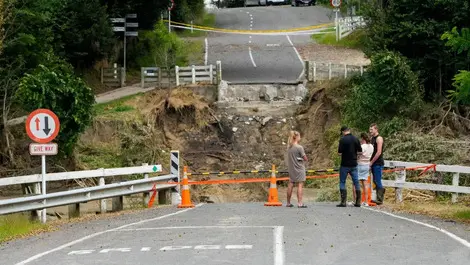
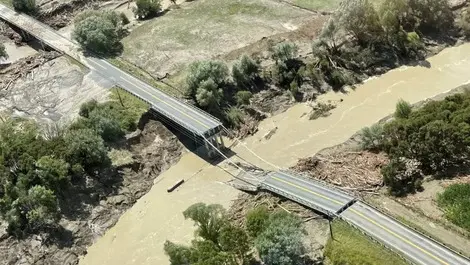
The report says Cyclone Gabrielle exposed how failures in power, water and communications can cascade across New Zealand's critical networks.
Incorrect fitting is driving premature bearing failures, raising downtime and safety risks across industries that cannot afford stoppages.
Cyclone Gabrielle has deepened New Zealand's infrastructure shortfall, as officials say public funding alone cannot cover a NZD $210 billion gap.
New Zealand's infrastructure deficit of USD $210 billion will face fresh scrutiny as Nick Leggett takes charge of the sector body on 24 April.
Workers face contamination risks from flood silt, with WorkSafe warning of germs, chemicals and asbestos during clean-up.
Communities face repeated outages and costly repairs unless planners shift to more resilient, wellbeing-based infrastructure decisions.
New Zealand civil contractors are being urged to enter awards that judge projects as far afield as the Chatham Islands before 23 June.
Night shifts are raising the risk of hydraulic failures, with poor servicing threatening downtime, accidents and costly compliance breaches.
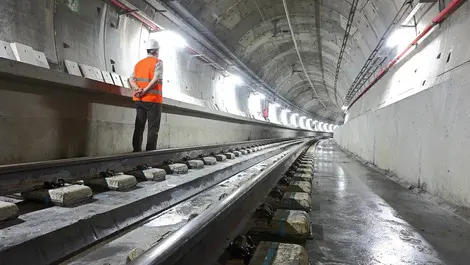
Poor planning for tunnels can leave cities facing congestion, cracking and water ingress that may take years to surface.
The eight-year deal will keep 2,600 Chorus sites running and support more than 100 jobs across Programmed’s service network.
One third of fatal or injury incidents involving MEWPs occur in public areas or on highways, prompting IPAF to issue fresh safety guidance.
The council says wider benefits for ratepayers followed once it stopped choosing projects on the lowest price and focused on long-term value.
Industry leaders say the draft 30-year plan could give New Zealand clearer funding, planning and delivery for vital infrastructure.
The government’s plan could cut household costs, but councils fear losing control over water assets as a 30-year fix is pursued.