

Australia construction leaders eye growth despite risks
Wed, 12th Aug 2026
Kennards Hire has published its 2026 Construction Confidence Check for Australia, with most respondents describing the construction industry as stable over the past year.
The research surveyed more than 400 senior business leaders and decision-makers from construction businesses across Australia. It found 73% viewed the sector as stable over the previous 12 months, while 23% described it as very stable.
The findings suggest the industry still sees room for growth, even as businesses take a more cautious approach to investment, project delivery and risk. That caution sits alongside continued interest in infrastructure, housing and technology as sources of expansion.
Growth drivers
Infrastructure investment was identified as the leading growth driver over the next five years by 42% of respondents. AI and digital technology adoption followed at 37%, alongside government policy on the same share.
The results suggest construction leaders expect public spending and broader adoption of digital tools to shape activity across the sector. Housing demand also remains part of the backdrop, although it was not the top-ranked factor in the findings provided.
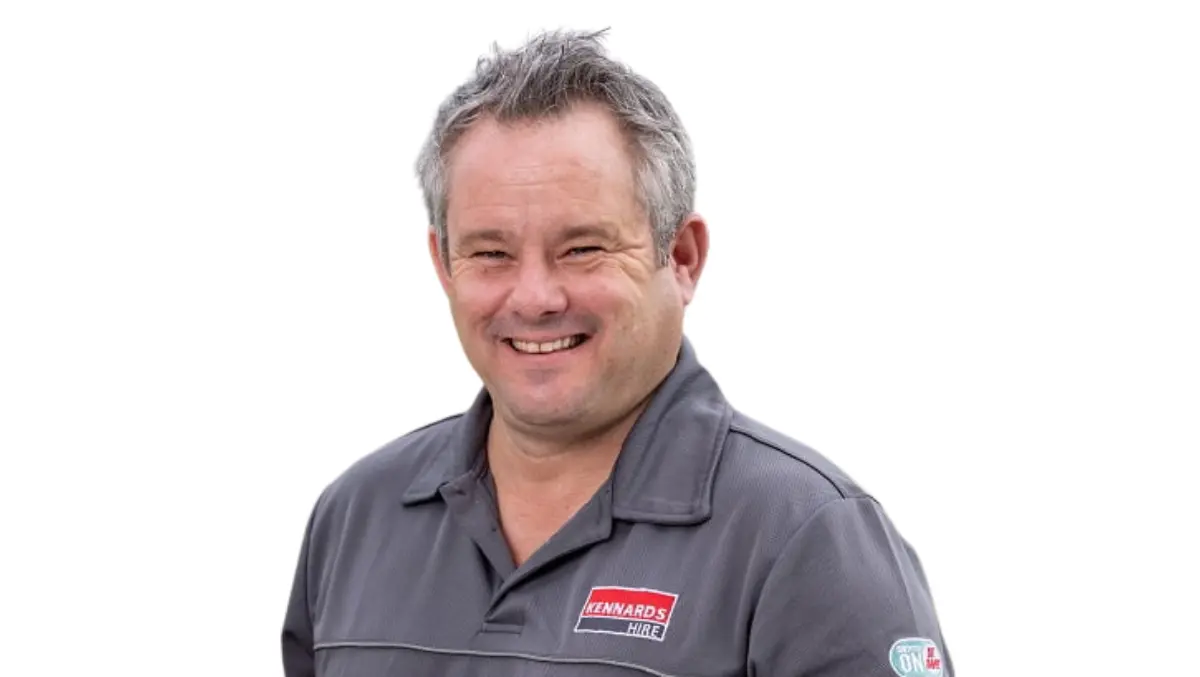
Tom Kimber, General Manager of Sales at Kennards Hire, said the industry was still planning ahead despite a difficult trading environment.
"Businesses are continuing to invest in the future, with leaders in the industry still planning for growth while focusing on flexibility, productivity and operational resilience amid ongoing sector challenges. It requires an evolved approach to get the work done - from end-to-end support and specialist solutions through to additional training for employees," Kimber said.
Main risks
Economic uncertainty emerged as the most widely cited threat to the sector. Some 48% of respondents said uncertainty affecting investment and housing demand ranked among the biggest risks facing construction over the coming years.
Government policy and planning delays followed closely on 47%. Skilled labour shortages were next at 43%, underlining the continued strain on recruitment and project staffing.
The survey also found differences between longer-established businesses and younger operators. Companies operating for less than 10 years were more likely than firms with more than a decade in the market to rely on contractors or specialised external expertise, at 39% compared with 29%.
Newer businesses were also more likely to cite poor communication or scope changes as a challenge. That issue was named by 42% of younger firms, compared with 26% of more established companies.
Technology and hiring
More than one-third of respondents said they planned to invest in AI over the next 12 months to improve project management and delivery. The survey described this as the most common strategy being considered to remain competitive and improve efficiency.
The data also pointed to a shift in how businesses view equipment hire. Rather than treating it solely as an operational need, respondents increasingly linked hiring decisions to financial and project planning.
Flexibility across projects was the most common reason given for hiring rather than owning equipment, cited by 45% of respondents. Cost savings or cashflow management followed at 42%.
Kimber said construction businesses were changing how they operate in response to pressure on costs and complexity.
"The construction industry has always demonstrated an ability to adapt, and these findings show businesses are actively looking for new ways to work smarter through technology, flexible operating models and better management of resources," he said.
ESG focus
The survey found environmental, social and governance priorities were extending beyond environmental compliance alone. Construction businesses reported a broader focus on workforce development, social impact and business practices.
Compliance and reporting was the most commonly prioritised ESG area at 41%. Social impact and work initiatives followed at 38%, ahead of sustainable materials sourcing at 36% and energy efficiency at 35%.
The results suggest the sector is balancing optimism with restraint. Leaders see support from infrastructure spending and technology adoption, but remain alert to economic volatility, labour shortages and delays in planning and policy.
The findings reflect an industry adjusting its operations while trying to protect long-term growth. Kennards Hire operates more than 220 sites and branches across Australia and New Zealand.